Applications of Activated Carbon
Our advanced Activated Carbon solutions are designed for multiple applications, delivering maximum efficiency and consistent performance to create measurable value across mining and diverse industrial operations.
Gold Recovery (In Mining)
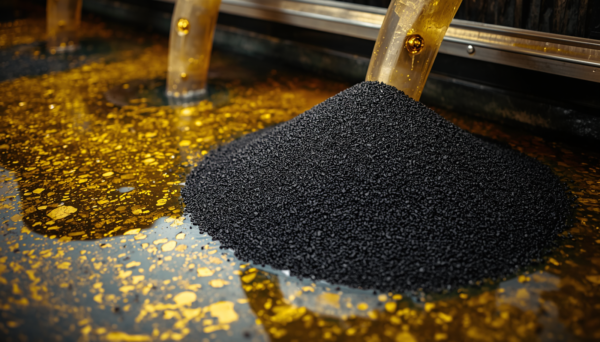
Coconut shell–based activated carbon is the Industry-Preferred Adsorbent for Gold Recovery in cyanide leaching operations. Owing to its exceptionally hard structure, high microporosity and superior adsorption kinetics, it delivers consistent and efficient recovery of dissolved gold from leach solutions.
Produced from renewable coconut shells, this grade of activated carbon offers High Mechanical Strength, Low Attrition loss and long Service life, making it ideal for repeated loading, elution, reactivation, and reuse in gold mining circuits. Its chemical stability in alkaline and cyanide environments ensures reliable performance under demanding operating conditions.
Coconut Shell–based Activated Carbon is the industry-preferred Adsorbent for Gold Recovery in cyanide leaching operations. Owing to its exceptionally hard structure, high microporosity and superior adsorption kinetics, it delivers consistent and efficient recovery of dissolved gold from leach solutions.
Produced from renewable Coconut Shells, this grade of Activated Carbon offers high mechanical strength, low attrition loss and long service life, making it ideal for repeated loading, elution, reactivation and reuse in gold mining circuits. Its chemical stability in alkaline and cyanide environments ensures reliable performance under demanding operating conditions.
Activated Carbon is used in three principal gold recovery processes, depending on ore type, grade and operational requirements.
Gas Purification Industries
Gas Purification
Activated Carbon plays a vital role in gas purification and air treatment by effectively removing harmful contaminants, odors, and volatile compounds from gas streams. Its highly porous structure and large internal surface area allow it to adsorb a wide range of gaseous pollutants, ensuring cleaner, safer, and regulatory-compliant operations across industries.
Activated carbon is widely used in Industrial exhaust treatment, chemical processing, oil & gas, food processing, pharmaceuticals, wastewater treatment plants, and indoor air purification systems. Activated carbon offers a cost-effective, efficient, and versatile solution for gas purification across diverse industries. With proper grade selection and system design, it ensures cleaner air, safer operations, and reduced environmental impact.
How Activated Carbon Works in Gas Purification
Activated carbon purifies gases through a process called adsorption, where gas molecules adhere to the internal surface of the carbon pores rather than passing through the system.
Key mechanisms include:
- Physical adsorption of gases within micropores and mesopores
- Chemical adsorption (chemisorption) for specific reactive gases
- Catalytic reactions for conversion of harmful gases into less toxic forms
Its extensive pore network provides millions of adsorption sites, enabling efficient removal of contaminants even at low concentrations.
Activated carbon is highly effective in removing:
- Volatile Organic Compounds (VOCs)
- Hydrogen Sulfide (H₂S)
- Sulfur dioxide (SO₂)
- Nitrogen oxides (NOx)
- Chlorine and chlorine compounds
- Ammonia (NH₃)
- Mercury vapors
- Solvent fumes and hydrocarbon vapors
- Odors from industrial and municipal sources
For enhanced performance, impregnated activated carbon is often used for acid gases, sulfur compounds, and toxic industrial chemicals.
Applications of Activated Carbon in Gas Purification
- Industrial Emission Control
Activated carbon filters are used to treat exhaust gases from chemical plants, refineries, paint booths, and manufacturing units, helping industries meet environmental emission standards.
- Oil & Gas and Petrochemical Industry
Used for removal of sulfur compounds, hydrocarbons, and toxic gases from process streams and vent gases.
- Indoor Air and HVAC Systems
Activated carbon filters improve indoor air quality by removing odors, VOCs, and harmful airborne chemicals in commercial and residential buildings.
- Wastewater Treatment Plants
Controls foul odors and corrosive gases such as hydrogen sulfide released during sewage treatment processes.
- Safety and Personal Protection
Used in gas masks and respirators to protect personnel from toxic and hazardous gases.
Key Benefits of Activated Carbon for Gas Purification
- High adsorption efficiency at low contaminant concentrations
- Reliable and proven technology
- Customizable grades for specific gas removal
- Long service life with consistent performance
- Supports environmental compliance and workplace safety
Air Purification
Activated carbon is widely used in air purification systems due to its exceptional ability to adsorb odors, volatile organic compounds (VOCs) and harmful gases from indoor and industrial air streams. Its highly porous structure provides a large surface area, enabling effective capture of contaminants and improving air quality in homes, offices, factories, and chemical plants.
How Activated Carbon Works in Air Purification
Activated carbon purifies air through adsorption, where gas molecules are trapped on the internal surfaces of the carbon pores. The combination of physical and chemical adsorption makes activated carbon highly effective in removing airborne toxins and pollutants even at low concentrations.
- Physical adsorption: Captures airborne pollutants like smoke, VOCs, and odors.
- Chemical adsorption (chemisorption): Removes reactive gases such as ammonia, sulfur compounds, and chlorine by forming chemical bonds.
- Catalytic action: Certain activated carbons catalyze the conversion of harmful gases into less toxic compounds.
Activated carbon is capable of removing
- Odors from cooking, smoke, chemicals, and industrial processes
- Volatile Organic Compounds (VOCs)
- Formaldehyde and other harmful indoor gases
- Hydrogen sulfide (H₂S), ammonia (NH₃), and sulfur dioxide (SO₂)
- Industrial chemical fumes and solvent vapors
- Harmful emissions from manufacturing or laboratories
Applications in Air Purification
- Residential and Commercial HVAC Systems
- Improves indoor air quality by removing odors, VOCs, and airborne chemicals.
- Industrial Air Treatment
- Treats exhaust gases and emissions from chemical plants, refineries, and food processing units.
- Cleanrooms and Laboratories
- Maintains contaminant-free environments by capturing toxic gases and chemical fumes.
- Personal Protective Equipment
- Used in respirators and gas masks to protect workers from hazardous gases and pollutants.
Benefits of Activated Carbon in Air Purification
- Efficient removal of odors toxic gases, and VOCs
- Long-lasting performance with high adsorption capacity
- Supports regulatory compliance for emissions
- Reduces health risks from airborne pollutants
- Can be customized for specific industrial or residential applications
Effluent Treatment Plants
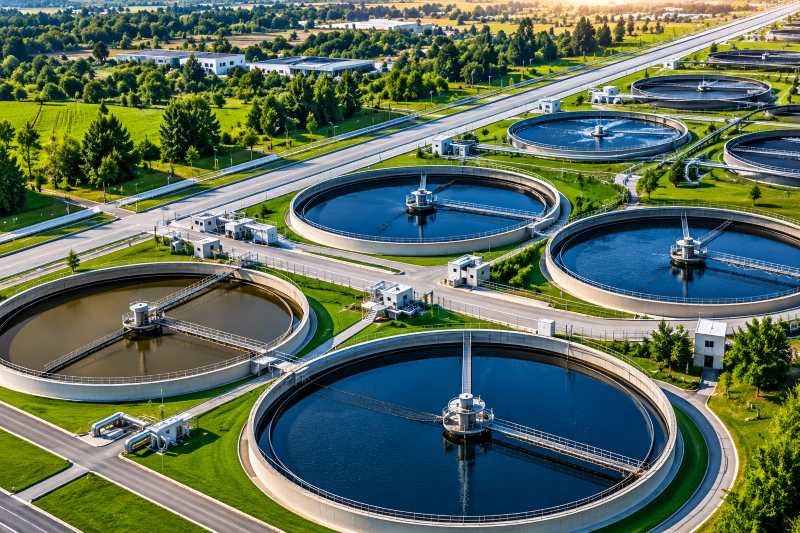
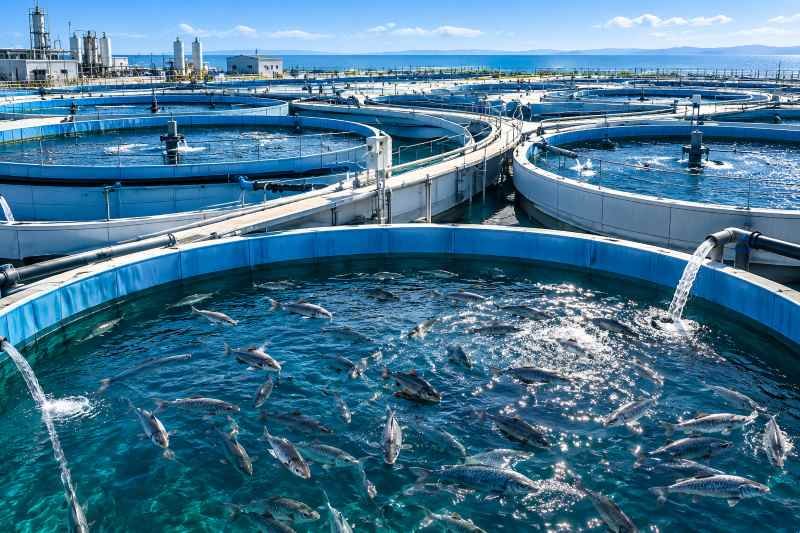
Activated carbon is a key component in Effluent Treatment Plants (ETPs), used to remove dissolved organic pollutants, color, odor, and toxic contaminants from industrial wastewater. Its high adsorption capacity and extensive pore structure enable effective treatment of complex effluents, helping industries meet environmental discharge norms and regulatory compliance.
Activated carbon is widely used in ETPs across sectors such as chemicals, pharmaceuticals, textiles, dyes, food processing, refineries, and specialty manufacturing.
Activated carbon works primarily through adsorption, where dissolved pollutants are trapped within the internal pores of the carbon surface. This makes it especially effective in removing contaminants that cannot be eliminated through conventional physical or biological treatment methods. As industrial effluents become more complex, activated carbon provides a reliable and adaptable solution to treat trace contaminants that conventional methods cannot remove. Its integration into ETPs ensures environmental compliance, operational efficiency, and sustainable water management.
Key pollutants removed include:
- Organic compounds and trace contaminants
- Color-causing substances
- Phenols and aromatic compounds
- Residual chlorine and oxidants
- Pesticides and herbicides
- Oil and grease residues
- Odor-causing molecules
Stages Where Activated Carbon Is Used In ETPs
1. Tertiary Treatment (Polishing Stage)
Activated carbon is most commonly used in the final polishing stage of ETPs to achieve high-quality treated water.
- Removes residual COD and BOD
- Improves clarity, color, and odor
- Ensures compliance with discharge or reuse standards
2. Fixed-Bed Carbon Filters
Granular activated carbon (GAC) is used in pressure sand filters or carbon columns where effluent passes through a packed bed.
- Continuous treatment with consistent performance
- Suitable for high-flow industrial effluents
- Carbon can be replaced or regenerated after saturation
3. Powdered Activated Carbon (PAC) Dosing
PAC is dosed directly into effluent streams or treatment tanks.
- Rapid adsorption of contaminants
- Effective for shock loads and fluctuating effluent quality
- Removed later by sedimentation or filtration
Benefits of Using Activated Carbon in ETPs
- High removal efficiency for color, odor, and toxic organics
- Enhances treated water quality for discharge or reuse
- Reduces load on biological treatment systems
- Supports Zero Liquid Discharge (ZLD) initiatives
- Proven and environmentally friendly technology
Food & Beverages Industries
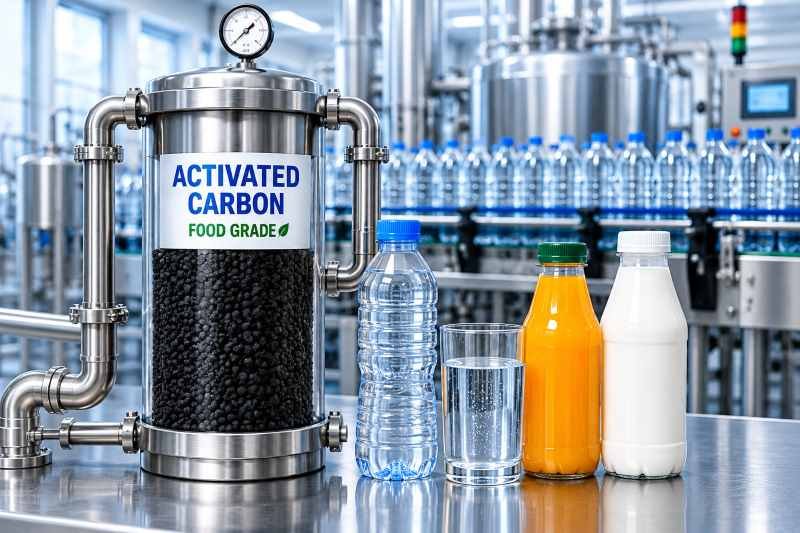
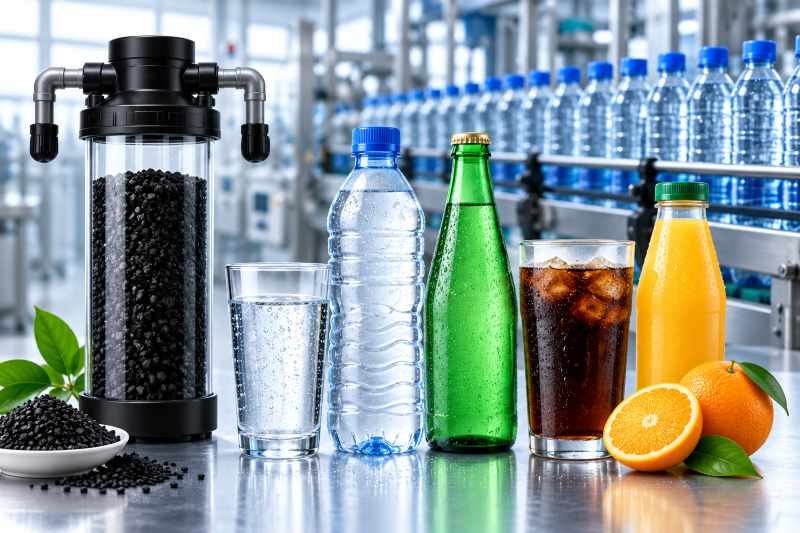
Activated carbon is widely used in the Food & Beverage industry to improve product quality by removing unwanted color, odor, taste, and impurities without affecting the original composition. Its high adsorption capacity and food-grade compliance make it an essential processing aid in many applications. Activated carbon is commonly applied for decolorization, deodorization, purification, and polishing of liquids to meet strict quality and safety standards. Activated carbon plays a vital role in ensuring high–quality, safe, and consumer-acceptable food and beverage products.
Applications:
- Sugar & Sweeteners: Decolorization of sugar syrups and removal of color bodies and impurities
- Edible Oils & Fats: Removal of pigments, odors, and oxidation by-products
- Beverages: Purification of fruit juices, soft drinks, alcoholic beverages, and bottled water
- Food Ingredients: Refining of glucose, starch, gelatin, and food additives
- Fermentation Processes: Removal of residual color and off-flavors from fermentation broths
Benefits
- Improves color, taste, and odor
- Enhances product clarity and consistency
- Complies with food safety and regulatory standards
- Reliable and cost-effective purification solution
Chemical & Pharma Industries
Activated carbon is extensively used in the chemical and pharmaceutical industries for purification, decolorization, and removal of trace impurities during manufacturing processes. Its high adsorption capacity and stable pore structure enable efficient removal of unwanted substances without affecting the chemical integrity of the final product.
Activated carbon works by adsorbing color bodies, organic impurities, residual solvents, reaction by-products, and metal traces from liquid and process streams, helping manufacturers achieve stringent quality and regulatory standards.
Applications:
- Active Pharmaceutical Ingredients (APIs): Decolorization and impurity removal during synthesis
- Chemical Intermediates: Polishing of reaction mixtures for improved clarity and quality
- Solvent Purification & Recovery: Removal of impurities for solvent reuse
- Catalyst Removal: Adsorption of metal catalysts and trace contaminants
- Process & Purified Water: Final polishing to meet pharmacopeial standards
Benefits
- Enhances product purity and consistency
- Supports GMP, WHO, and pharmacopeia compliance
- Improves process efficiency and yield
- Reliable and cost-effective purification solution
Water Purification Industries
Activated carbon plays a critical role in the water purification industry due to its exceptional adsorption capacity and highly porous structure. Activated carbon works primarily through a process called adsorption, where impurities present in water adhere to the extensive internal surface area of the carbon. Unlike absorption, adsorption occurs on the surface of the carbon’s microscopic pores, which trap contaminants effectively. It is widely used to remove organic contaminants, chlorine, odors, color, and toxic substances from water, making it safe for industrial, municipal, and potable use. Activated carbon is an essential and proven solution in the water purification industry. Its superior adsorption capability, versatility, and reliability make it a preferred choice for producing clean, safe, and high-quality water across multiple industries.
Activated carbon is highly effective in removing
- Free chlorine and chloramine
- Organic compounds (VOCs)
- Pesticides and herbicides
- Taste, odor, and color-causing compounds
- Industrial solvents and chemicals
- Trihalomethanes (THMs)
- Oil residues and hydrocarbons
Water Purification Process Using Activated Carbon
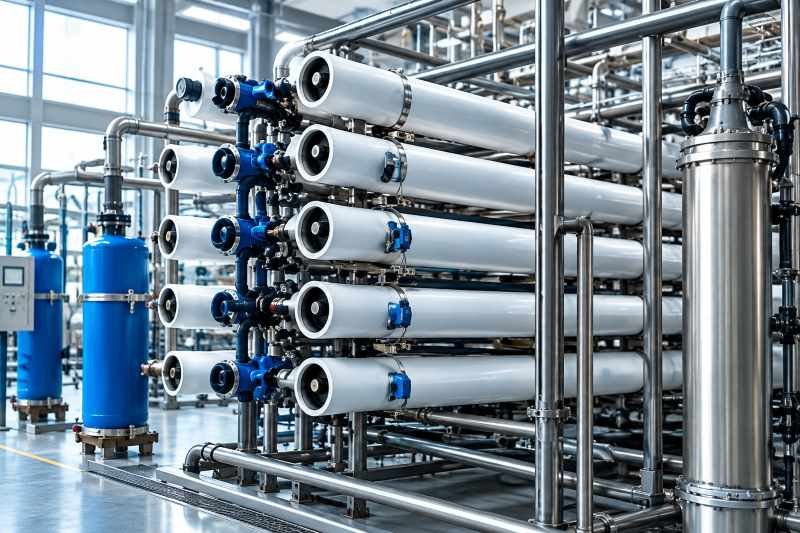
- Pre-treated water enters the carbon filter system
- Water flows through activated carbon beds or columns
- Contaminants are adsorbed onto the carbon surface
- Clean, purified water exits the system
- Spent carbon is either regenerated or replaced
Activated Carbon is widely used in
- Drinking water treatment plants
- Industrial process water purification
- Wastewater treatment
- Bottled water production
- Desalination pre- and post-treatment
- Food & beverage industry water systems
Advantages of Activated Carbon in Water Treatment
- High removal efficiency for organic contaminants
- Improves taste, odor, and clarity of water
- Environmentally friendly and reusable
- Cost-effective and reliable technology
- Compatible with existing filtration systems